

fleas & ticks 101
Fleas are sneaky, stubborn parasites that can start your pet scratching with one bite. Ticks are dangerous disease carriers that can infect with one bite. Be sure to start a regular monthly routine of treating your pets with PetArmor®.
How fleas can harm pets

Fleas can transmit tapeworms. Also, their bites can cause allergy dermatitis, the most common allergic skin disease affecting dogs and cats. If your pet is left unprotected, fleas can cause anemia. It is important to take these pests seriously. See your veterinarian if you think your pet may have a serious condition, and protect it every month with PetArmor flea and tick medication. Also, see Dr. Karen Halligan’s video on how to get rid of fleas for good.
How to check for fleas

- First, use a fine-toothed metal flea comb. Run the comb along your pet’s back or underbelly, making sure the comb comes in contact with the skin.
- If you pull out any fleas, immediately drown them in a nearby bowl of soapy water.
- Have your pet stand on a white sheet or towel. Then brush or rub your pet’s coat. Look at the white sheet to see any small black specks that might be fleas or flea dirt. Flea dirt can also look like sand.
- If you can’t find any traces of fleas, and your pet continues to scratch, have your veterinarian check your pet.
- Treat your pet every month with PetArmor to prevent fleas from coming back.
Help! My pet has fleas

Step 1: Treat your pet
The first thing is to treat your pet with PetArmor to kill existing fleas and prevent new ones from living on your pet.
Step 2: Treat your home
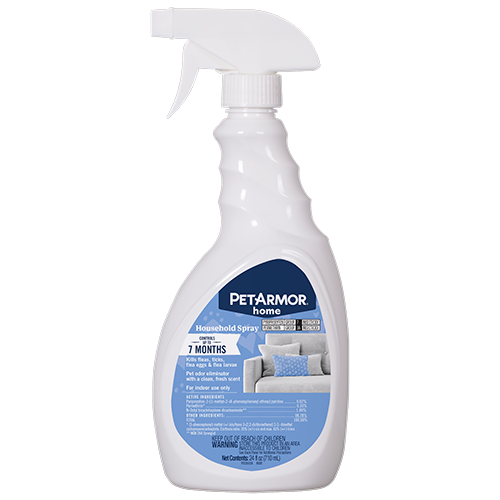
Often, regular use of PetArmor is so effective, there’s no need to treat your home. However, if your pet has fleas, you may want to thoroughly vacuum carpets and especially upholstery if your pet goes on your furniture. Be sure to throw away the vacuum cleaner bag or clean the dust cup with soap and water. Also, wash your pet’s bedding in hot water or replace it entirely.
Step 3: Treat your yard
It’s a good idea to cut down tall brush and grasses near the house or pet runs to reduce a pet’s exposure to fleas and ticks.
How ticks can harm pets

Lyme disease is caused by a bacterium transmitted when a tick bites an infected deer and then attaches to a pet or human as its second host. The ticks that spread this disease can be no bigger than a pinhead.
How to check for ticks

Many ticks are as small as a pinhead so they’re difficult to see. Don’t assume they’re not present if they’re not visible. Ticks prefer to attach close to the animal’s head, neck or belly. Start with the head, being sure to check the whisker area, alongside and under the snout. Then check in and around the ears before examining its belly, back and paws, including between the toes and tail. Gently comb the hair. If you come across a snag, it might be a tick. Do this gently so as not to pull the tick out with the comb and leave pieces behind. If you think you see a tick, see your veterinarian and apply PetArmor monthly on your pet.
Four major species of ticks

All ticks feed on blood and can spread disease. The important thing to know is that ticks live all over the country, so wherever you are, ticks are there, too.
- American Dog Tick or Wood Tick: This tick is brown to reddish brown and is relatively easy to see from late March through early September, depending upon temperatures. It’s responsible for transmitting Rocky Mountain spotted fever, tularemia and canine tick paralysis.
- Deer Tick or Blacklegged Tick: The deer tick is very small, resembling dark brown to black pepper grains and is primarily responsible for spreading Lyme disease. This tick is most active during summer, but adults can be active during the winter when temperatures rise above freezing.
- Brown Dog Tick: This tick is found throughout the U.S. It’s unusual in that it can lay its eggs indoors. It’s responsible for causing Rocky Mountain spotted fever.
- Lone Star Tick: The female Lone Star tick is characterized by a white spot. These ticks can carry ehrlichiosis and tularemia.
FLEAS: Small, pesky, and everywhere.
Fleas can be found anywhere in the U.S. They tend to thrive in warm, humid environments and emerge when temperatures thaw in the spring. Populations peak in the summer and continue through the fall.
TICKS: Dangerous freeloaders.
Ticks can be found anywhere in the U.S. Different species of ticks inhabit different geographical areas. Ticks are most prevalent in the spring, especially after a wet and mild winter. Deer ticks are so hardy, they’ve been found active in the winter when temperatures rise above freezing.